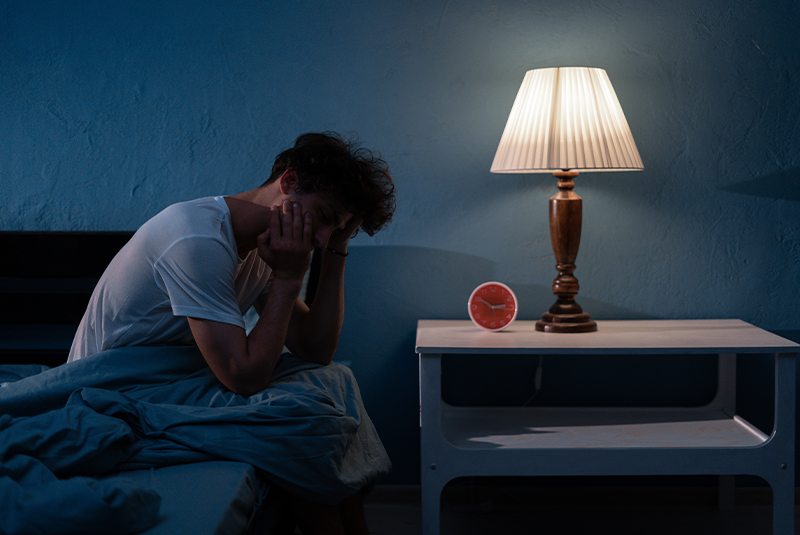
Chronic snoring, restless sleep, and waking up exhausted can leave you feeling drained, irritable, and unable to focus throughout the day. Although sleep apnea affects an estimated 30 million adults in the U.S., about 80% of cases remain undiagnosed.
At Des Moines Dental Center, we provide effective and comfortable stop-snoring solutions in Des Moines, WA, to help you sleep better, breathe easier, and improve your overall quality of life!
The three primary types of sleep apnea are obstructive sleep apnea, central sleep apnea, and complex sleep apnea syndrome. Central sleep apnea occurs when the brain fails to send proper signals to the muscles that control breathing, while complex sleep apnea combines features of both obstructive and central sleep apnea.
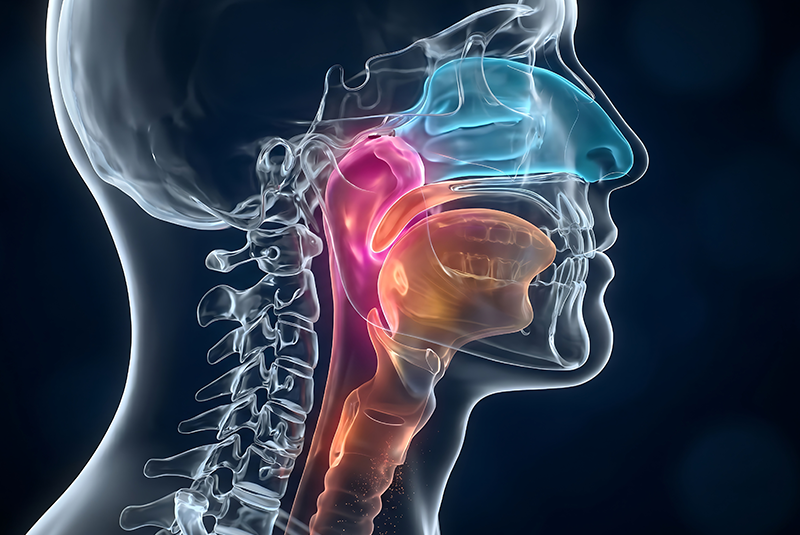
Obstructive sleep apnea (OSA) is the most common form and occurs when the airway becomes partially or completely blocked during sleep. Because OSA can significantly affect your long-term health, seeking professional obstructive sleep apnea treatment in Des Moines, WA, is important for protecting both your sleep and overall wellness.
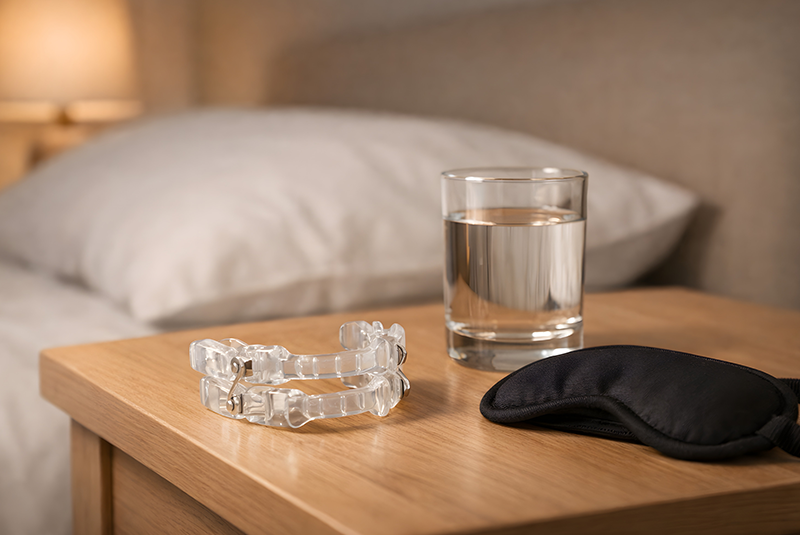
Customized oral appliances are one of the most effective forms of dental sleep apnea therapy at Des Moines Dental Center for patients with mild to moderate OSA. The appliances gently reposition the jaw and tongue to help keep your airway open throughout the night. Many patients prefer oral appliances because they’re compact, quiet, comfortable, and easy to travel with compared to bulky machines. As a trusted sleep apnea dentist in Des Moines, WA, Dr. Benjamin Dorantes offers custom-made appliances designed for comfort and long-term results.
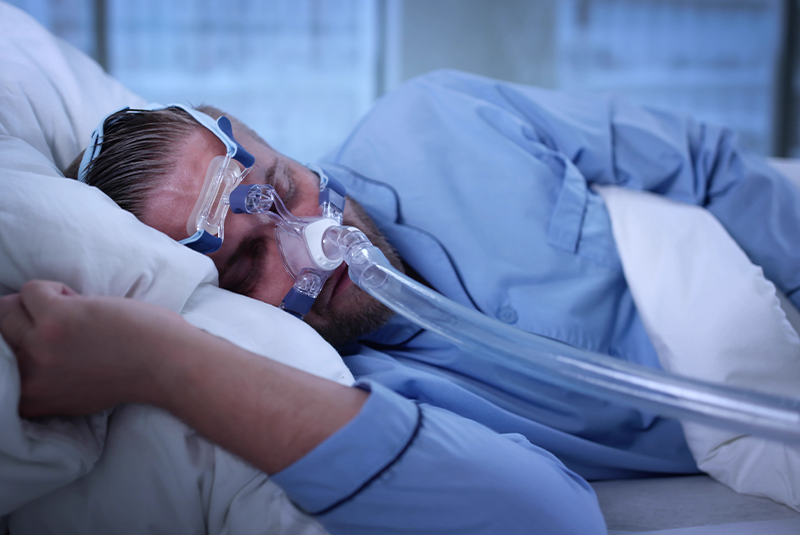
Continuous Positive Airway Pressure (CPAP) therapy is a common treatment that uses a mask and gentle airflow to keep the airway open during sleep. CPAP can be highly effective for moderate to severe sleep apnea and may significantly reduce snoring and nighttime breathing interruptions. The downside is that some patients struggle with comfort, noise, or wearing the mask consistently. Our team can help determine whether CPAP or another sleep apnea treatment option is best for your needs.
Lifestyle adjustments can play an important role in improving sleep apnea symptoms and supporting long-term health. Losing excess weight, exercising regularly, avoiding alcohol before bedtime, and changing sleep positions may help reduce airway obstruction during sleep. For some patients, combining healthy habits with professional snoring treatment in Des Moines, WA, leads to even greater improvements. Small daily changes can make a meaningful difference in your sleep quality and overall wellness.
Repeated airway obstructions can reduce oxygen levels, interrupt restful sleep, and cause symptoms such as loud snoring, headaches, and daytime exhaustion. Untreated sleep apnea may increase the risk of serious health concerns, including high blood pressure, heart disease, and chronic fatigue.
This condition can also affect concentration and daily performance and is associated with a greater risk of motor vehicle and work-related accidents. Seeking professional sleep apnea treatment in Des Moines, WA, can help protect your overall health while improving your energy and quality of life.
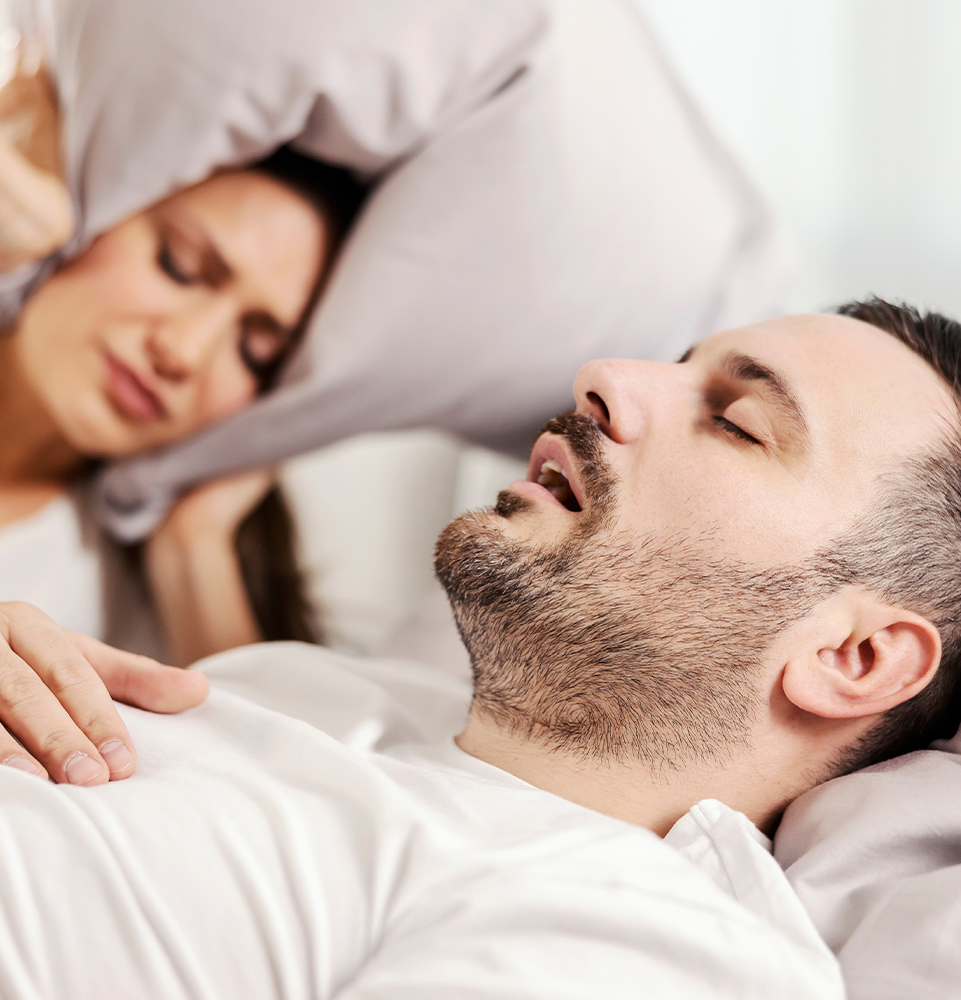
Common symptoms include loud snoring, gasping during sleep, morning headaches, dry mouth, and excessive daytime fatigue. Many patients also experience difficulty concentrating or irritability.
Not always, but chronic loud snoring is one of the most common warning signs of OSA. A professional evaluation at Des Moines Dental Center can determine whether treatment is necessary.
No, sleep apnea affects individuals of all ages, including babies and children. OSA in children is most commonly caused by enlarged tonsils or adenoids and is associated with hyperactivity, difficulty paying attention, or behavioral problems that mimic ADHD.

A qualified sleep apnea dentist can provide custom oral appliances designed to improve airflow and reduce nighttime breathing interruptions, and also make referrals to specialists for sleep studies.
Most patients find oral appliances comfortable and easy to adapt to after a short adjustment period because they’re custom-made to each person’s oral anatomy.
A comprehensive exam can help determine the severity of your sleep apnea and identify the most effective treatment for your needs. An accurate diagnosis and personalized care ensure the best possible results.