
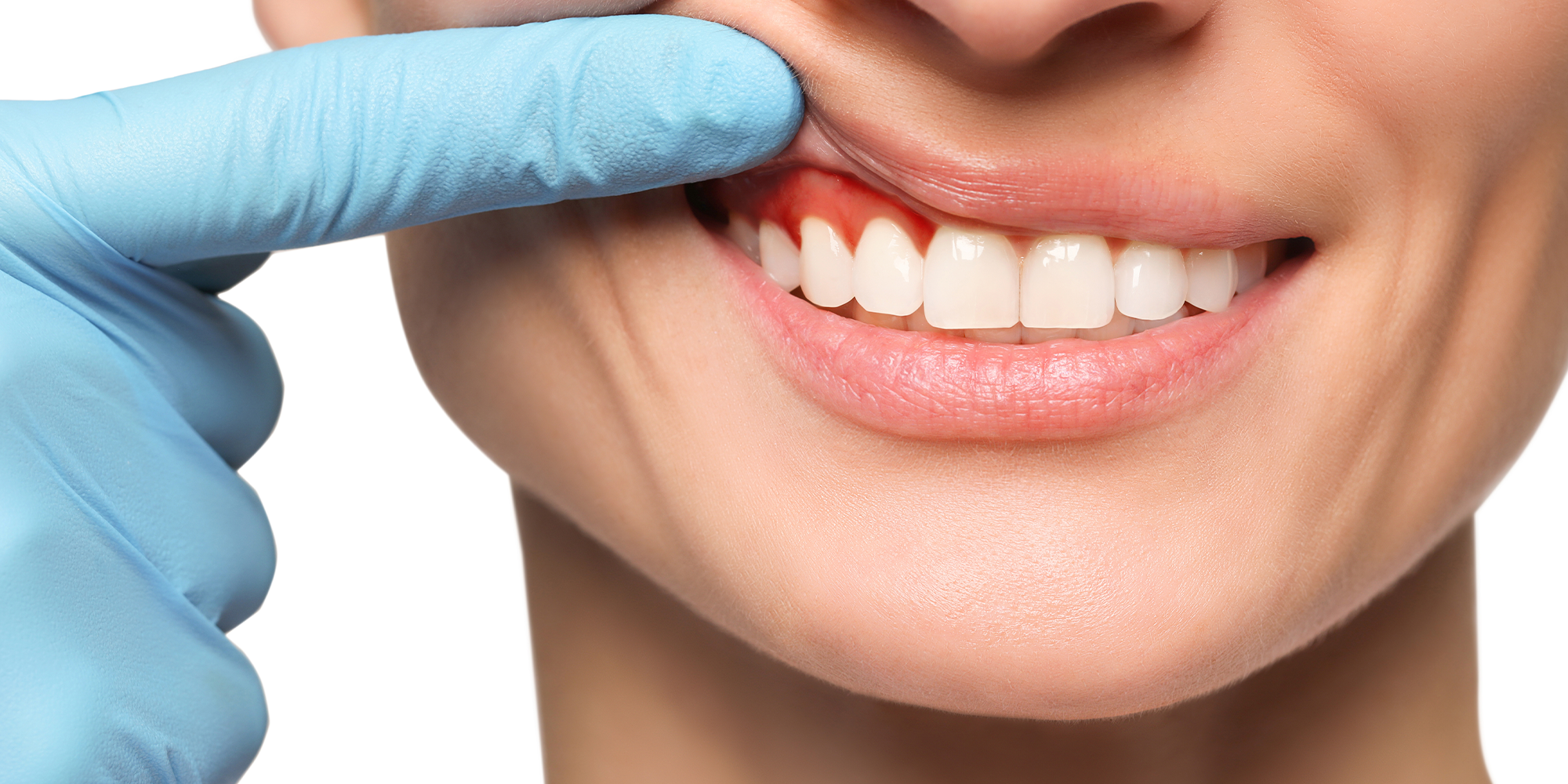
Gum disease is a bacterial infection that affects the gums and supporting structures of the teeth, often starting as mild gingivitis and progressing to periodontitis when left untreated. Common causes include plaque buildup, poor oral hygiene, smoking, hormonal changes, and certain medical conditions.
At Des Moines Dental Center, our team offers gingivitis treatment in Des Moines, WA, to stop infection early, prevent the repercussions of advanced disease, and restore your long-term oral health.

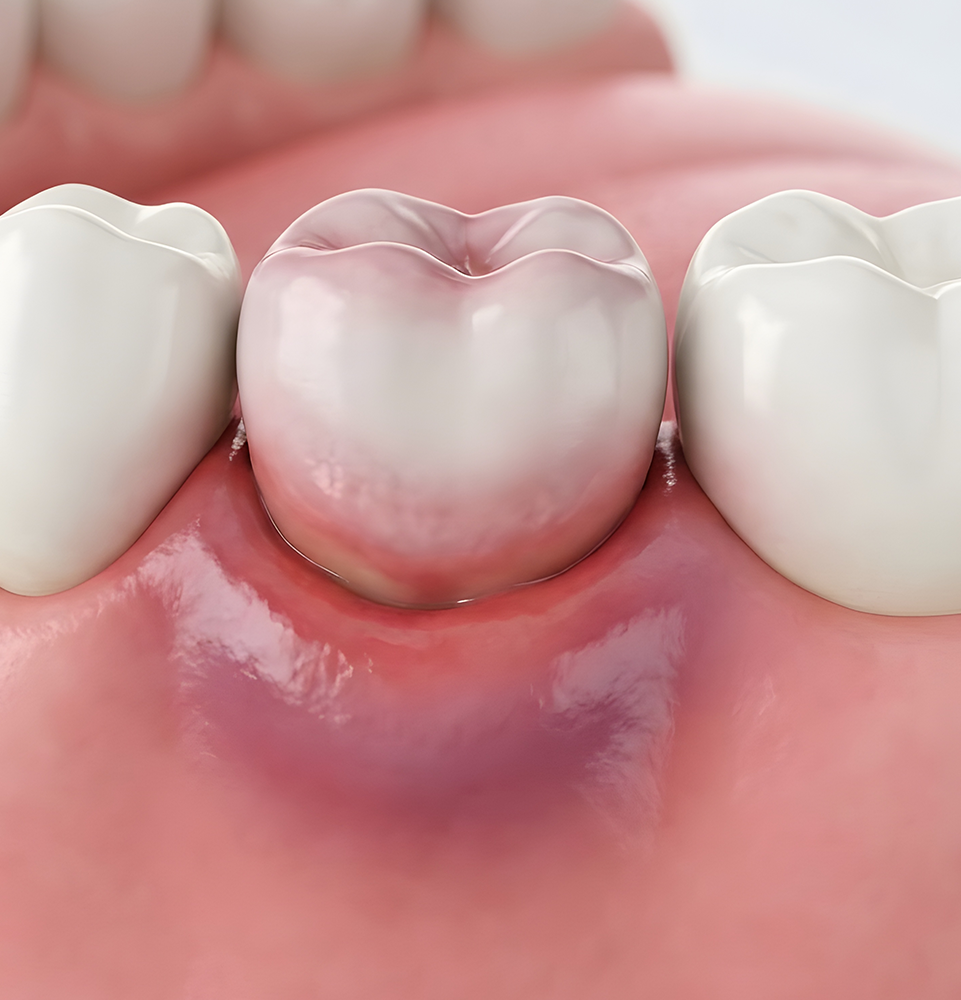

Treating gum disease early is essential for preventing irreversible damage to the gums and bone that support your teeth. Without proper treatment for gingivitis or periodontitis in Des Moines, WA, the infection can worsen and lead to tooth loss.
Advanced gum disease care at Des Moines Dental Center helps protect your smile and overall health because gum infections are linked to heart disease and other systemic conditions. Delaying care may result in more complex dental procedures, including oral surgery and tooth replacement, as well as serious general health repercussions.
Gum disease can progress quietly, affecting the tissue and bone that support your teeth. Personalized periodontal treatment can control infection, protect vulnerable areas, and support the long-term health of your smile.
Your treatment plan will be based on the severity of the condition, your symptoms, and the health of the surrounding gum tissue.
Scaling and root planing in Des Moines, WA, is a deep cleaning of the gums at Des Moines Dental Center that removes plaque and hardened tartar from below your gumline.
During the second part, your tooth roots are smoothed, helping gum tissue reattach while reducing pockets where bacteria collect. This is generally the first line of treatment for periodontitis to help prevent the infection from progressing.
Periodontal maintenance is specialized ongoing care after initial gum disease treatment to keep bacteria and inflammation under control.
Unlike routine cleanings, it focuses on deeper areas around the gums and monitors pocket depth and tissue health over time. By scheduling ongoing care, you can help prevent recurrence and support long-term stability of your gums and teeth.
Gum grafting is a procedure used when gum tissue has receded, exposing tooth roots due to gum disease or aggressive brushing. Healthy tissue is typically taken from another area of your mouth or a donor source.
Placing tissue in areas of recession helps protect vulnerable roots, reduces sensitivity, and restores a healthier gumline.
Learn More About Gum Grafting →During a gingivectomy, infected or overgrown gum tissue is removed, which can form deep pockets around teeth where bacteria thrive.
Eliminating diseased tissue makes it easier for you to clean the area, thereby reducing the risk of ongoing infection. This type of treatment also helps reshape the gums and improve your overall oral health.
A frenectomy is a simple procedure to remove or modify the frenum, a small band of tissue inside the mouth that connects the lips or tongue to the gums.
If the upper lip, or labial frenum, is too tight, thick, or positioned too close to the gumline, it can contribute to gum recession, gaps between front teeth, and breastfeeding latching issues.
If the lower frenum, or lingual frenum, is too restrictive, it can cause tongue-tie, speech problems, and nursing challenges in babies.